Shop High Quality Farrier Aprons for Comfort, Protection and Daily Work
Farrier aprons protect your legs from hoof strikes, sharp tools, and forge heat, and the right one is the apron that fits your body, your work, and your daily hours under the horse.
Our collection covers leather and canvas aprons built specifically for that purpose, from lightweight styles for mobile farriers to fully padded models with lumbar support for professionals shoeing multiple horses a day.
What Every Farrier Apron Includes
Ergonomics and Back Support
Farriers spend most of their working day bent forward holding a horse leg, which puts consistent strain on the lower back. Our aprons include a neoprene-padded lumbar belt that actively supports your spine in that position. The Azure Armor, Crimson Shield, and Women's 23-inch model all include this as standard.
Tool Pockets and Nail Magnets
Reinforced knife pockets and integrated nail magnets sit on both sides, positioned for right- and left-handed farriers equally. The nail magnets hold hoof nails against the apron body during shoeing, keeping them within reach without a second thought. Several models also include hammer loops for a complete tool setup at the horse.
Adjustable Fit and Quick-Release Safety
Each apron adjusts from 28 to 52 inches at the waist with reinforced thigh straps and quick-release buckles. The buckles are a safety feature, letting you free the apron instantly with one hand while working. Fit the waist first, then secure the thigh straps until the apron sits firmly without restricting movement.
Breathability for Long Days
A 195 GSM air mesh inner lining sits against your legs and keeps air moving during hot days, preventing the heat buildup that solid leather backing can create, practical for long days in warm climates as well as controlled environments.
Multiple Sizes and Designs for Every Farrier
Not every farrier works the same, and your apron should match your needs. If you're on the shorter side, a 23-inch apron keeps the protection exactly where it should be, ending just below the knee instead of flapping around your shins. Most farriers of average height land naturally on the 25-inch length, which has become the standard for good reason: it protects fully without slowing you down. Taller than most? The 27 to 29 inch options extend that same coverage down your leg so you never trade protection for reach.
Explore Our Wide Range of Farrier Aprons
Every apron in this collection solves a specific problem, so start with the one that matches your build and workload:
How to Find the Right Size
Measure from your hip belt line to just below your knee. If that measurement is around 23 inches, choose a 23-inch apron. Average-height farriers typically fit 25 inches. Taller builds need 27 to 29 inches. For a full walkthrough, see our farrier apron sizing guide.
Getting the length right matters: an apron that's too long shifts when you lift the horse leg and loses coverage where you need it most. If you're between sizes, go shorter rather than longer, a shorter apron stays in position and moves with you, while a longer one works against you.
Key Features to Consider When Choosing a Farrier Apron
Selecting the right apron requires evaluating several factors that influence safety, comfort, and durability.
Material Quality
Material is one of the most important considerations. Leather offers exceptional durability and protection but adds weight. Synthetic materials provide lighter alternatives with easier maintenance. The choice often depends on working conditions. Farriers who work with many horses each day may prefer lighter materials, while those working in demanding environments may prioritize heavy-duty leather.
Comfort and Fit
Comfort directly affects performance. A poorly fitted apron can cause fatigue, restrict movement, or shift during work. Adjustable waist belts and leg straps allow farriers to customize the fit. A properly fitted apron should sit securely at the waist and cover the thighs without limiting movement. Breathable materials and padded areas can also improve comfort during long workdays.
Protection Level
The thickness and reinforcement of the apron determine how well it protects against cuts and impacts. Reinforced panels around the thighs and knees are especially valuable since these areas face the highest risk. Some aprons include additional layers or protective inserts designed to resist punctures from nails and sharp tools.
Mobility and Ergonomics
Farriers frequently change positions while working. They bend forward, squat, kneel, and shift weight while holding the horse’s hoof. An apron must allow these movements without restriction. Split-leg designs and flexible materials are important for maintaining ergonomic posture and preventing strain.
Tool Storage
Convenience features can also improve efficiency. Many aprons include pockets designed for tools or horseshoe nails. Having essential tools within reach reduces unnecessary movement and saves time during shoeing sessions.
Farrier Apron Care and Maintenance
A good farrier apron lasts 5 to 10 years when you clean it by surface and never machine wash it. Brush and wipe the suede face, lift sweat and salt from the air mesh lining, condition the leather about once a month, and always air dry it before storing. For the full step by step routine, see our guide on how to clean and care for a farrier apron.
Why Farriers Trust Equine Care Aprons
Every apron in this collection is built and tested for the demands of daily farrier work, from rasping and clinching to loading horses in changing weather. We pair 2mm cowhide suede leather or heavy canvas with the support details farriers ask for most: a padded lumbar belt, quick-release buckles, and a breathable mesh lining.
Still deciding between an apron and chaps? Our farrier apron vs chaps guide breaks down the difference so you can pick the right protection for your work.

 Premium suede and canvas women’s farrier apron with EVA padding, adjustable fit, tool pockets, and magnets for safe, comfortable hoof trimming.$70.79
 Women’s farrier apron with ergonomic 23″ fit, suede leather, knee padding, and tool storage.$97.93
 The Equine Care (23-29) inch Rugged Farrier Apron combines suede leather, canvas, and foam padding for comfort and protection. Features air mesh for breathability, back support, tool pockets, and adjustable fit for professionals.$100.29
 This farrier apron is built for professional farriers, blacksmiths, and equine professionals who work in all conditions like hot shoeing, cold trimming, forge work and high-volume days across multiple horses.$88.49
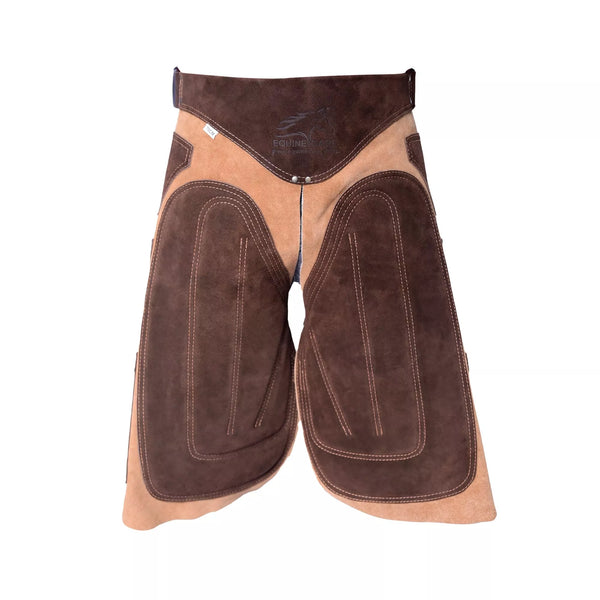 Premium leather farrier apron with EVA thigh padding, neoprene back support, and 4 knife pockets for daily hoof-care work.$129.79
 Equine Care Farrier Apron – Premium leather and canvas apron with foam padding, lumbar support and ambidextrous tool storage. Built for professional farriers who value comfort, safety, and lasting durability.$86.13
 Made from 2mm cowhide suede leather, our farrier apron for men delivers strong protection against hoof impact, sharp tools, and hot horseshoes. Built for demanding daily farrier work.$100.29
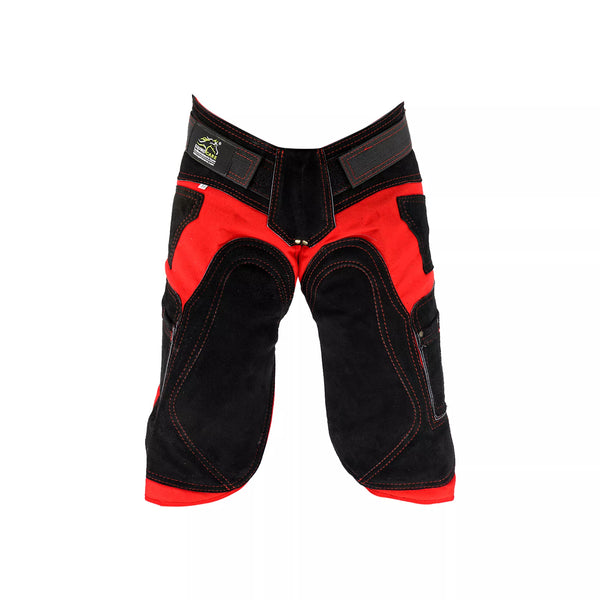 Compact, durable, and ergonomic — the Equine Care 23”-29” Crimson Shield Farrier Apron offers 4-layer protection, foam padding, lumbar support, and tool-ready design.$88.49
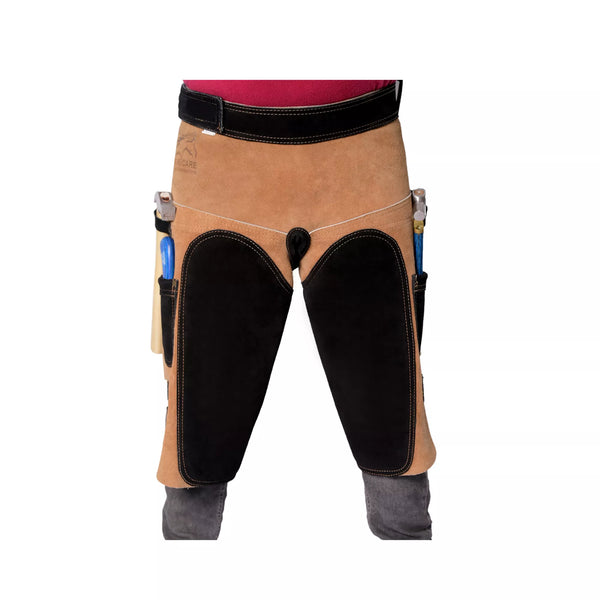 Equine Care full leather farrier apron with foam padding, knife pockets, and adjustable fit delivers comfort, safety, and tool control for hoof care pros.$110.91


